Online learning has changed, and quickly. In the past, it was mostly videos and quizzes, but now it has been adapted to feel more like real work. In many online classrooms, students are expected to think, build, test ideas, and explain them. That shift is why project-based learning works so well online.
It encourages students to utilize what they learn, not just remember it.
What Project-Based Learning Looks Like Online
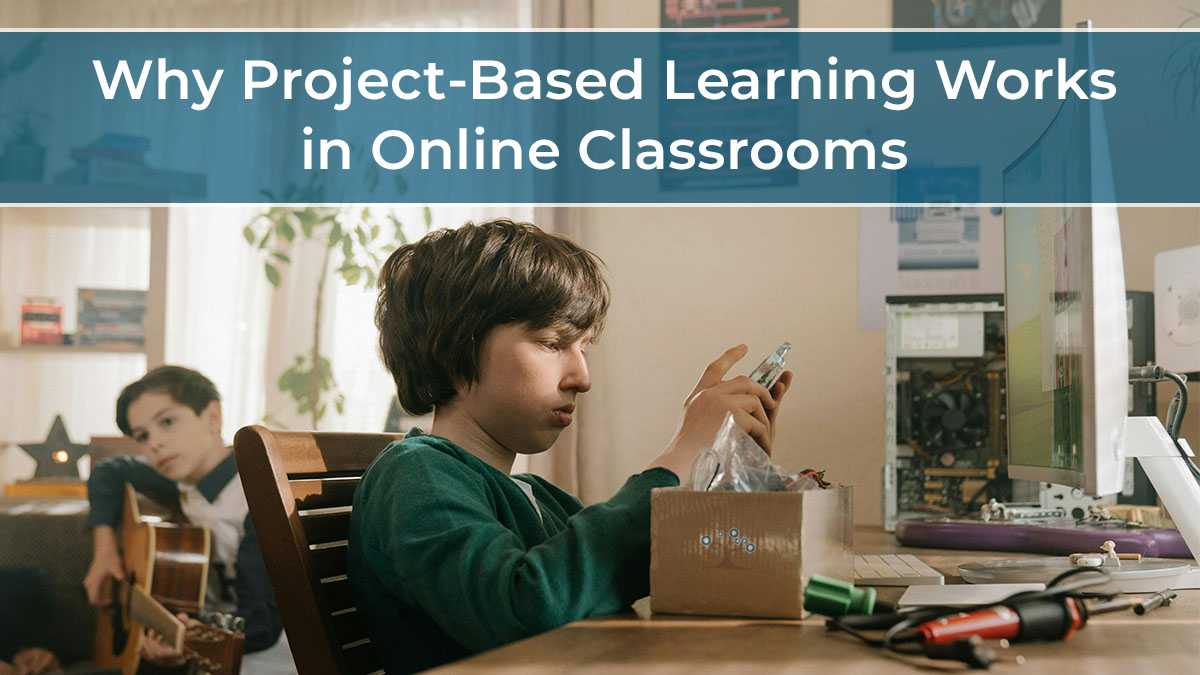
Project-based learning is simple in theory. Students work on a real problem over time. They research, make choices, revise, and finish with something concrete.
In online classrooms, the final product is often digital, such as a presentation, report, video, or plan. Students focus on moving forward, not merely memorizing and preparing for a test.
Engagement Comes From Ownership
Online courses can struggle when students lose focus due to boredom. Project-based learning helps prevent that because it is, by nature, more interesting.
A project gives students direction, deadlines, and decisions to make. Instead of asking, “Is this on the quiz?” they start asking, “Will this work?” That change is important.
When students take responsibility, they become more engaged.
Real-World Context Changes Motivation
Projects are based on real situations. The problems often feel familiar and sometimes even uncomfortable. That is intentional.
In online classrooms, students can use current data, research real issues, or practice workplace tasks. Learning appears more connected to life outside of school. This relevance helps students stay motivated.
Skills Grow Quietly While Content Is Learned
Project-based learning teaches the subject, but it does more than that.
Students practice planning, communicating online, managing their time without reminders, and working with people who think differently. These skills develop quietly but last.
This is especially true in online classrooms, where students need to be independent, even if the course does not plan for it.
Collaboration Still Happens Online
Distance does not eliminate teamwork; it just changes how students work together to accomplish a goal.
Students use shared documents, comment threads, and video check-ins. They learn to explain ideas plainly and respond without relying on tone or body language. This is not a disadvantage; it reflects how people work today.
Project-based learning requires students to collaborate, not just work alone.
Learning Goes Deeper When It Takes Time
Projects extend learning over several days or weeks. Students revisit, apply, and adjust concepts as they go.
Students have to connect ideas rather than memorize them once and forget them. This more in-depth learning helps them remember more and reveals misunderstandings early, when those misunderstandings can still be corrected.
Short assignments rarely offer these benefits.
Assessment Becomes More Honest
A finished project reveals more than a test score. You can see the student’s thinking, the choices they made, and any holes in understanding.
In online classrooms, instructors can track progress, provide feedback during the project, and evaluate both the process and the final result. It may be less tidy, but it is more accurate.
Final Thought
Project-based learning is effective online because online courses already require a certain level of independence, problem-solving, and digital communication from students. Projects make these skills clear and useful.
When students create something real, learning feels less abstract and more fun, even when it happens online.