Before parents choose a homeschool path, one question almost always comes up: will my child still have friends? It is one of the most common worries families bring to the decision, right alongside curriculum and scheduling, and it deserves a real answer rather than a dismissive one.
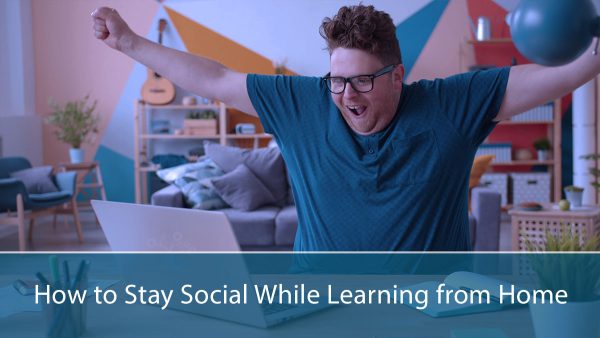
The truth is, learning from home doesn’t have to mean learning alone. With the right structure in place, students can build genuine friendships, take part in group discussions, and feel like part of a class community, all without setting foot in a traditional school building. The key is choosing instruction built around live interaction rather than isolated screen time, and pairing it with a few intentional habits at home.
Why Social Interaction Matters for Homeschool Students
Social connection is part of how students grow, not just an extra. Talking through ideas with classmates, working on a group project, or simply having a familiar teacher who knows their name all shape how a student experiences learning. When that connection is missing, school can start to feel like a solitary task instead of a shared experience.
Families sometimes worry that this concern is exaggerated, or that academics should come first. In practice, the two are not in competition. A student who feels connected to their class tends to show up more willing to participate, ask questions, and stay engaged through a full lesson. Confidence and comfort with peers often go hand in hand with a student’s willingness to take academic risks, like raising a hand when they are unsure of an answer.
This is one of the biggest differences between live, teacher-led instruction and self-paced software programs. A student clicking through slides or watching pre-recorded videos alone has no one to ask a question of in the moment, and no classmate to laugh with over a shared joke during a lesson. Branches Learning was built around the opposite approach: real class time, with a real teacher and real classmates, happening together in real time.
Live Online Classes Build Real Peer Connections
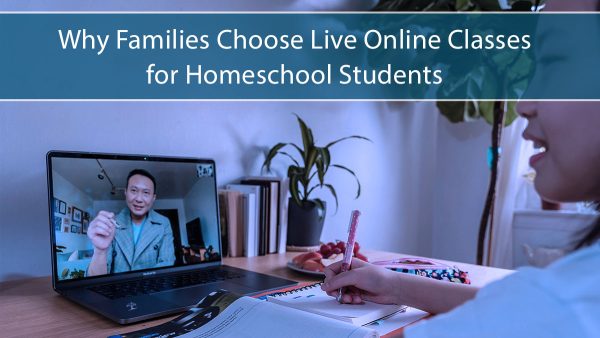
When a student joins a live online class, they are not just consuming content. They are participating in it. Small class sizes mean the teacher can call on students by name, encourage discussion, and create space for students to respond to one another, not just to the teacher.
Over weeks and months, students in the same live class start to recognize each other. They remember who was in their breakout group last week, who answered a tricky question in class, or who shares their sense of humor. That familiarity builds naturally, the same way it would in a physical classroom, because the students are actually learning together at the same time, not simply logging progress in separate accounts.
Teachers also play an active role in shaping this environment. A teacher who greets each student by name, checks in before diving into the lesson, and builds in time for discussion does more than teach content. They are setting a tone where students feel comfortable speaking up and connecting with one another.
This differs from self-paced platforms, where a student might technically be “enrolled” alongside dozens of others they will never interact with. For a closer look at how live instruction compares to self-paced learning, see our post on teacher-led versus self-paced online education.
Ways Homeschool Families Can Build Social Opportunities
Live classes provide a strong foundation, but families can add opportunities throughout the week to round out a student’s social life.
Group Classes and Electives
Electives such as art, drama, or a foreign language often involve more open discussion and collaborative work than a core academic subject. Enrolling a student in even one live elective alongside core courses adds another regular touchpoint with peers who share similar interests, and it gives students a chance to bond over something beyond required coursework.
Local Homeschool Co-ops and Community Groups
Many communities have homeschool co-ops, park days, or interest-based meetups where families connect in person. These groups complement live online instruction by giving students face-to-face time with peers outside class hours. Co-ops in particular often organize their own mini classes, field trips, or seasonal events that give students something to look forward to each month.
Extracurricular Activities and Clubs
Sports leagues, community theater, scouting programs, and local clubs all give homeschool students a chance to build friendships around a shared activity. These do not need to be tied to academics at all. They just need to happen regularly enough for relationships to form, since consistency often turns a passing acquaintance into a real friendship.
Partner School Events
For families enrolled through a partner school, occasional in-person events, field trips, or orientation days offer another layer of connection. These moments let students who know each other from live classes finally meet in person, often deepening friendships that started on screen.
The Role of the Homeschool Teacher in Supporting Connection
Homeschool Teachers, often called HSTs, play a meaningful role beyond tracking academic progress. Many know local resources, community groups, and activities that fit a family’s schedule and interests. A quick conversation with an HST can uncover co-ops, clubs, or events a family hadn’t considered.
HSTs also coordinate closely with instructional partners like Branches Learning, which means they often have visibility into which live classes and electives tend to build the strongest sense of community among students. Families should not hesitate to ask their HST directly which classes tend to have an especially engaged group, since teachers often notice these patterns over time.
Addressing Common Concerns About Online Socialization
It is fair for parents to wonder whether interaction through a screen can really compare to in-person friendship. The honest answer is that it is different, not lesser, when the instruction is live and consistent. Students in a recurring live class build familiarity the same way any group does: through repeated, shared experience over time.
That said, online instruction works best as part of a broader plan, not as the only source of social contact. Pairing regular live classes with at least some in-person activity gives students the benefits of both worlds: structured peer interaction during the school day and unstructured, physical playtime or activity outside of it.
Tips for Parents: Building a Social Routine at Home
A little structure goes a long way. Consider these practical steps:
- Keep live class times consistent. A predictable schedule helps students settle into the rhythm of seeing the same classmates and teacher regularly, which is where familiarity and friendship start to build.
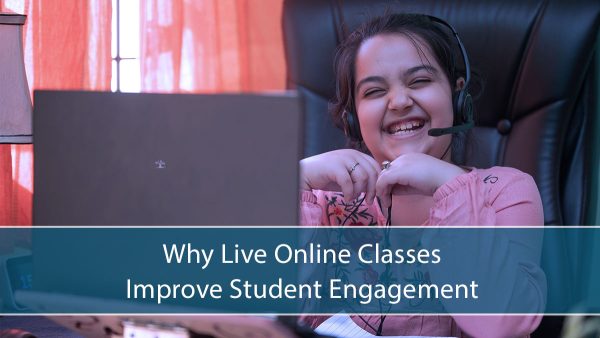
- Encourage participation, not just attendance. Logging into a live class is only half the picture. Gently encourage students to unmute, answer questions, and join breakout discussions rather than staying quiet in the background.
- Add one elective purely for enjoyment. A class chosen for interest rather than requirement, such as art or Spanish, often becomes a student’s favorite social outlet during the week.
- Balance online and in-person time. Pair live classes with at least one regular in-person activity, whether that is a co-op day, a sports practice, or a standing playdate with another homeschool family.
- Ask the HST for local suggestions. They often know about community resources that are not obvious from a general search.
- Check in with your student regularly. A short conversation about who they talked to in class or what made them laugh that day can surface concerns early and reinforce that their social experience matters.
None of these require a complete overhaul of a family’s routine. Small, consistent choices tend to matter more than any single big event.
A Social Life That Fits Home Learning
Staying social while learning from home is not about replicating a traditional school hallway. It is about building a different kind of community, made up of live class time, small-group discussion, local activities, and a teacher who knows each student by name.
Frequently Asked Questions
Do online students get to interact with classmates?
Yes. In live online classes, students see and speak with the same classmates and teacher on a regular schedule, which allows real relationships to build over time, unlike self-paced programs where students work independently.
How many students are typically in a Branches Learning class?
Branches Learning keeps class sizes small so teachers can engage each student individually and create space for group discussion. Families can review specific class details in the course catalog.
Can homeschool students make friends through online classes?
Students who attend the same live class regularly often build familiarity and friendships with classmates, much like in a traditional classroom, since they learn together at the same time each week.
What extracurricular options exist alongside live classes?
Many families combine live classes with local co-ops, clubs, sports, or partner school events to give students both structured class interaction and in-person social time.