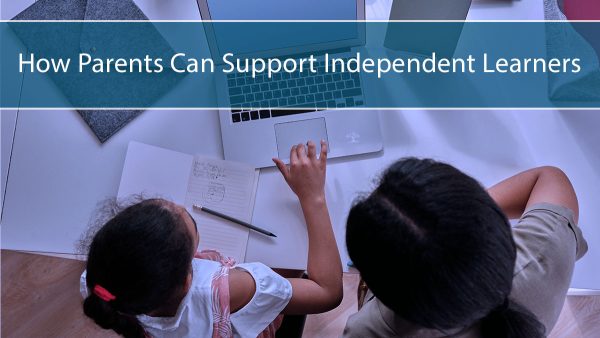
Independent study gives families real flexibility over when and how a student learns. But that freedom raises a fair question for many parents: how much help does my student actually need, and what does that support look like on a normal Tuesday afternoon?
The good news is that supporting a student in an independent study program doesn’t mean becoming their full-time teacher. It means building the right structure around them, staying connected with the people already guiding their progress, and knowing when to bring in more instruction. Here’s what that looks like in practice.
What Independent Study Really Means for Families
Independent study is a homeschool model where a student’s education happens primarily outside a traditional classroom, with a Homeschool Teacher (HST) overseeing progress and helping the family stay on track with state requirements. The student and family have more say in scheduling and course selection than they would in a traditional school setting.
A common misconception is that independent study means unsupervised or unstructured. In reality, most independent study programs, including those partnering with Branches Learning, are built around regular check-ins, clear goals, and a mix of family-led work and live instruction. The flexibility is real, but it works best inside a framework.
Build a Predictable Routine (Without Over-Scheduling)
Students, especially younger ones, tend to do better with independent study when their day has a rhythm they can count on. That doesn’t mean a rigid, hour-by-hour schedule. It means knowing roughly when class happens, when independent work happens, and when the day ends.
A few ways to build that rhythm without boxing your family in:
- Set a consistent start time each morning, even if the rest of the day has built-in flexibility.
- Block out live class times first, then fill in independent work around them.
- Keep a visible weekly plan, whether that’s a whiteboard, a printed calendar, or a shared app.
The goal isn’t a perfect schedule. It’s a routine predictable enough that your student knows what to expect from their day.
Create a Learning Space That Works
Where a student works matters more than families sometimes expect. A dedicated space, even a small one, signals it’s time to focus and reduces the friction of hunting for materials every day.
- Choose a spot with minimal foot traffic and background noise during live class times.
- Keep frequently used materials, like headphones, notebooks, and chargers, in one place.
- If space is limited, a consistent setup routine (same table, same corner) can do a lot of the same work as a dedicated room.
This matters even more for live online classes, where a student needs to hear their teacher clearly and participate without constant interruption.
Stay Connected With the Homeschool Teacher (HST)
The HST is one of the most useful resources a family has in independent study. They’re not just there for compliance check-ins. A good HST relationship gives parents a second set of eyes on how a student is actually doing academically.
A few questions worth bringing to HST meetings:
- Is my student on pace with their coursework for this time of year?
- Are there subjects where they seem to be struggling more than others?
- Would additional live instruction or tutoring make sense right now?
- Are there adjustments we should make to the weekly plan?
Treating the HST as a partner, rather than someone to satisfy on paperwork, makes it much easier to catch small issues before they become bigger ones.
Add Live, Teacher-Led Instruction to the Mix
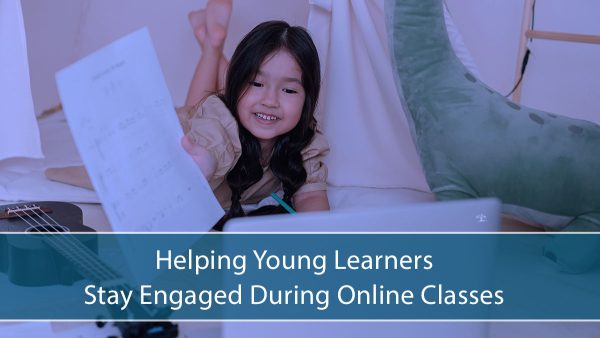
Independent study doesn’t mean a student has to learn everything alone, and it doesn’t mean relying only on self-paced software. Many families find that adding live, teacher-led classes for certain subjects gives their student real-time feedback, a chance to ask questions as they come up, and regular contact with a teacher who knows their progress.
This is central to how Branches Learning supports independent study families. Instead of working through recorded lessons alone, students join a live class with a teacher and a small group of classmates. That structure builds accountability and keeps students engaged in ways self-paced platforms often can’t match.
Live classes work well for subjects where a student needs more explanation, more practice with feedback, or simply more consistency than independent work alone can provide. Browse Branches Learning’s course catalog to see what fits your student’s schedule.
Help Students Stay Motivated and Engaged
Motivation in independent study often comes from a mix of clear goals and visible progress. Students who can see how far they’ve come are more likely to keep going than students who only hear about what’s left to do.
- Set small, specific goals for the week instead of vague ones like “do better in math.”
- Track completed work somewhere visible, even something as simple as a checklist.
- Recognize effort and progress, not just finished assignments or grades.
- Talk with your student regularly about what’s working and what feels hard.
If a student who used to be engaged starts avoiding certain subjects or dragging out simple tasks, that’s often a sign worth noticing rather than pushing through on its own.
Know When to Ask for Extra Support
Every family reaches a point where independent study alone isn’t quite covering what a student needs in a particular subject. That’s normal, and it’s not a sign that independent study isn’t working. It’s a sign that a student needs a different kind of support for that specific gap.
A few signs that extra help might be worth considering:
- A student consistently struggles with the same subject week after week.
- Assignments take much longer than expected, even with parent help.
- A student seems to understand material during instruction but loses it when working independently.
- Confidence in a subject has started to drop.
Tutoring can fill that gap without requiring a full schedule overhaul. Branches Learning tutoring pairs students with a teacher for focused, one-on-one support in the areas where they need it most. Learn more at Branches Learning tutoring.
A Practical Next Step
Supporting a student through independent study doesn’t require parents to become experts in every subject. It requires a workable routine, a strong relationship with the HST, and the willingness to bring in live instruction or tutoring when a student needs more than independent work can offer.
If your family is weighing whether to add live classes or tutoring to your student’s independent study plan this year, review the current course catalog at Branches Learning or reach out to a Branches Learning team member with questions about what would best fit your student.
Frequently Asked Questions
What is independent study in homeschooling?
Independent study is a homeschool model where a student completes coursework primarily outside a traditional classroom, with a Homeschool Teacher (HST) overseeing progress and helping the family meet state requirements.
How much time should a parent spend supervising independent study each day?
This varies by student age and subject, and families should follow their HST’s guidance. Many families find that a predictable daily routine, rather than constant supervision, is what helps students stay on track.
Can independent study students take live classes?
Yes. Many independent study families add live, teacher-led classes for subjects where a student benefits from real-time instruction and feedback, alongside their independent coursework.
What’s the difference between independent study and self-paced learning?
Independent study refers to the overall homeschool model, which can include a mix of family-led work, self-paced resources, and live instruction. Self-paced learning means a student works through material alone without a live teacher, which differs from the live, teacher-led classes Branches Learning offers.